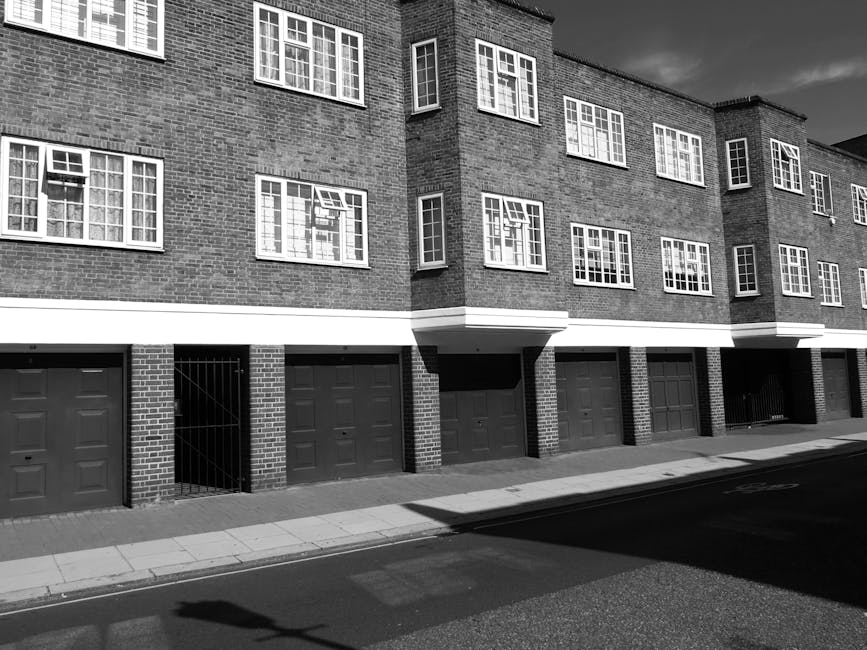
Churchill Gardens Pimlico removals for council flats: a practical guide to moving well in a tight London setting
If you are planning Churchill Gardens Pimlico removals for council flats, you are probably juggling a few things at once: stairs, lifts, parking, neighbours, timing, and the simple fact that council-flat moves in Pimlico rarely feel roomy or relaxed. That is normal. The good news is that a well-planned move in Churchill Gardens can be far smoother than people expect, especially when you understand the building layout, access limits, and what actually helps on moving day.
This guide breaks the process down in plain English. You will find out how council-flat removals in Churchill Gardens usually work, what tends to cause delays, how to prepare properly, which services can help, and how to avoid the classic London moving-day headaches. Let's face it, the last thing anyone wants is to be standing in a corridor with a sofa that is just a bit too wide. Been there, seen that, not ideal.
Table of Contents
- Why Churchill Gardens Pimlico removals for council flats Matters
- How Churchill Gardens Pimlico removals for council flats Works
- Key Benefits and Practical Advantages
- Who This Is For and When It Makes Sense
- Step-by-Step Guidance
- Expert Tips for Better Results
- Common Mistakes to Avoid
- Tools, Resources and Recommendations
- Law, Compliance, Standards, or Best Practice
- Options, Methods, or Comparison Table
- Case Study or Real-World Example
- Practical Checklist
- Conclusion
- Frequently Asked Questions
Why Churchill Gardens Pimlico removals for council flats Matters
Churchill Gardens is a distinctive part of Pimlico, and that matters more than many people realise when planning a flat move. A move here is not just about lifting boxes into a van. It is about working within a lived-in residential estate, with shared access routes, close neighbours, and the practical limits that come with council flats in central London.
In a place like this, moving day can be affected by lift availability, stairwell width, loading distance, and how easy it is to park nearby. Even a short move can feel complex if the route from flat to vehicle is awkward. That is why local knowledge counts. A mover who understands council-flat removals in Pimlico will usually plan for the small things that make a big difference, like protecting communal areas, timing arrivals carefully, and avoiding unnecessary back-and-forth.
There is also a human side to this. Council estates are homes, not just addresses. You may have families, older residents, shift workers, and people with different routines all sharing the same block. A thoughtful move keeps disruption down. That matters to you, and it matters to the people around you.
Practical takeaway: the best Churchill Gardens moves are not the fastest on paper; they are the ones that are planned around access, timing, and the realities of the building.
For people moving locally, the aim is usually simple: get out cleanly, move safely, and settle in without damage or stress. If you are also comparing broader services, local removals and flat removals can be useful starting points when you need a service shaped around London housing rather than a generic house move.
How Churchill Gardens Pimlico removals for council flats Works
Most council-flat removals follow the same broad pattern, but the details matter. First comes the planning stage, then the packing and protection, then the actual move, and finally the unloading and placement in the new property. Simple on the surface. In practice, each stage needs a bit of care.
1. Pre-move assessment
A sensible mover will want to know what floor you are on, whether there is a lift, what the parking situation looks like, and whether there are any bulky items such as wardrobes, beds, mattresses, or appliances. This is the stage where problems are often spotted early. Good. That is exactly what should happen.
For Churchill Gardens specifically, access is often the part that needs the most attention. A van may not be able to park directly outside the building entrance, or the route to the flat may involve shared walkways or internal stairs. The more accurate your description, the more realistic the plan.
2. Packing and preparation
Good packing is not glamorous, but it saves time, money, and grumbling later. Boxes should be labelled by room and marked for anything fragile. Small items should be grouped properly. If you have children's things, chargers, documents, or medication, keep those aside so they do not disappear into the moving chaos. That little bit of order saves a lot of searching later, honestly.
Many people also choose to use professional packing services when time is short or the flat is full of breakables. If the move is delayed or the new place is not ready, options like short-term storage or removals and storage can take the pressure off without turning the whole week upside down.
3. Protecting the property
In council-flat moves, protecting walls, floors, lifts, and door frames is a big deal. It is not just about courtesy. It helps avoid accidental damage and complaints. A professional team should use covers, blankets, straps, and sensible handling techniques. If the building has tight corners, they should move items slowly and communicate clearly.
4. Loading and transport
The loading part should be organised so that heavier items go in first and delicate pieces are secured properly. In London, speed matters, but rushing is how damage happens. A good team will balance pace with care. Truth be told, a calm loader usually beats a frantic one every time.
5. Unloading and placement
At the destination, the team should place items in the right rooms where possible. This saves you from dragging a wardrobe through a hallway after a long day. If you are moving into another flat, you may want to measure key spaces in advance so large items do not arrive only to discover they will not fit. A tape measure is boring, yes, but it is also a hero.
Key Benefits and Practical Advantages
There are real advantages to using a removals service that understands council-flat moves in Pimlico rather than relying on a generic approach. The biggest benefit is reduced friction. Everything tends to flow better when the team already expects narrow access, controlled parking, and shared spaces.
- Less stress: someone else handles the heavy lifting, timing, and vehicle coordination.
- Fewer delays: experienced movers plan for building access and loading constraints.
- Better protection: furniture and communal areas are handled more carefully.
- Safer moving: bulky items are moved with the right equipment and technique.
- More predictable costs: clear planning reduces the chance of awkward surprises on the day.
Another practical benefit is flexibility. A council-flat move often involves changing dates, waiting on keys, or fitting around repairs and estate schedules. Services like small removals and man and van can work well when you do not need a full-scale lorry operation but still need reliable transport and lifting help.
There is also a quieter benefit that people overlook: peace of mind. When you know the route, the load, and the timing have been thought through, your brain can finally stop running the same three moving-day worries on repeat. That alone is worth a lot.
Who This Is For and When It Makes Sense
This kind of service is ideal for anyone moving out of, into, or within Churchill Gardens who needs a practical, building-aware approach. That includes tenants, families, downsizers, couples moving in together, and people relocating locally within Pimlico or nearby Westminster streets.
It makes particular sense if:
- you live on an upper floor and need help with stairs or lift access;
- you have bulky furniture that is difficult to carry on your own;
- you need the move done quickly because of a tight handover window;
- you have valuables or fragile items that need careful handling;
- you are combining moving with storage because dates do not line up;
- you want less disruption to neighbours and shared areas.
This service also suits people who are doing a fairly modest move but do not want the stress of hiring a van, finding parking, lifting heavy items, and trying to recruit willing friends with a van-sized vehicle. To be fair, that plan sounds good until the first sofa turn in a hallway.
If your move is especially minimal, a small removals option may be enough. If you are moving household contents as well as furniture, then house removals or a fuller removals service may be a better fit.
Step-by-Step Guidance
Here is a sensible way to approach Churchill Gardens Pimlico removals for council flats without overcomplicating things.
- Confirm the moving date early. Keys, handovers, and building access can all affect timing. The earlier you lock it in, the better.
- Check access details. Note the floor, lift size if relevant, parking restrictions, and any known entry constraints.
- Sort your belongings. Decide what is moving, what is going into storage, and what should be donated or discarded before moving day.
- Measure large items. Beds, wardrobes, sofas, white goods, and shelving often cause the most trouble.
- Gather packing supplies. Boxes, tape, markers, bubble wrap, and mattress covers are worth having well before the last evening rush.
- Protect fragile and essential items. Keep documents, keys, chargers, and medication in a separate bag you control yourself.
- Book the right support. Choose between full removals, a man and van, packing services, or storage depending on the size of the job.
- Prepare the flat the night before. Clear hallways, disconnect appliances safely, and make sure the team can move around easily.
- Walk the route on the day. If there are tricky turns or shared entrances, point them out before lifting starts.
- Do a final check before leaving. Look inside cupboards, behind doors, and in the airing cupboard. The amount of times people forget a box there is slightly embarrassing, but very common.
A small but useful tip: keep your kettle, a mug, tea bags, and a phone charger easy to reach. On moving day, the first cup of tea can feel like a constitutional right.
Expert Tips for Better Results
Good removals are rarely about heroic effort. They are about habits that prevent small problems from becoming big ones. Here are the habits that tend to help most.
Plan around building realities, not assumptions
Never assume a van can park right outside or that a lift will be available for unlimited use. Check the actual access situation. If the building has time restrictions or shared entrance spaces, work around them from the start.
Choose the right service level
Not every move needs the biggest team. A well-matched service is often more efficient than paying for more vehicle or labour than you actually need. For lighter moves, a man and van can be a smart choice. For larger household moves, a fuller service may be easier and safer.
Keep high-priority items separate
Passport, lease papers, spare keys, medication, chargers, and a few toiletries should not be buried in the back of a box mountain. Keep them with you. It sounds obvious, yet it is one of the most overlooked parts of moving.
Use storage as a pressure valve
If move-out and move-in dates do not line up, storage can make the whole process much less fraught. Secure storage is especially useful when you need a safe holding point for furniture, boxes, or seasonal items while you sort out the rest.
Think about the neighbour experience
In a council block, noise and corridor congestion matter. Keep shared areas clear. Communicate politely. Avoid blocking entrances longer than necessary. A little consideration goes a long way, and it tends to make moving day calmer for everyone involved.
Here is the slightly boring but very real truth: the move that feels easiest is usually the one that was prepared most carefully. Not magical, just methodical.
Common Mistakes to Avoid
Even organised people make these mistakes. Moving does that to you. It has a way of making normal adults do odd things, like pack the cutlery drawer but forget the mug they use every morning.
- Leaving access checks too late. This can lead to parking problems, lift issues, or extra carrying distance.
- Underestimating how long packing takes. Packing always takes longer than it looks on Sunday afternoon.
- Not measuring large furniture. A sofa that fits on paper may still be impossible in the hallway.
- Ignoring fragile items. Books are heavy, glass is not forgiving, and electronics need proper protection.
- Assuming storage is a last resort only. Sometimes storage is the thing that makes the whole move workable.
- Booking the wrong size vehicle. Too small means extra trips. Too large can be awkward in tight streets.
- Forgetting building etiquette. Shared spaces are not the place for rushed lifting, shouting, or leaving packaging everywhere.
One more common issue is trying to do everything alone because it seems cheaper. Sometimes that works. Often it does not. If you end up damaged, delayed, or exhausted, the saving disappears pretty quickly.
Tools, Resources and Recommendations
You do not need a van full of specialist gear to move well, but a few practical tools make a huge difference. The basics are usually enough.
- Strong boxes: use the same size where possible so stacking is easier.
- Packing tape: cheap tape is a false economy. It splits at the worst moment.
- Marker pens and labels: label by room and contents.
- Furniture covers or blankets: useful for protecting surfaces during transit.
- Straps or ties: helpful for securing items in the vehicle.
- Mattress bags: especially worthwhile in damp or wet weather.
- Tape measure: the unsung hero of every sensible move.
If you are comparing support options, these pages may help you think through the right setup:
- self storage for flexible space during a transition;
- household storage when furniture or boxes need a temporary home;
- furniture storage for larger items that do not fit the new flat immediately;
- mobile self storage if you prefer a more convenient collection-and-return style arrangement.
For people with document-heavy moves, document storage can also be practical. That is especially relevant if you are moving home and work materials at the same time.
Law, Compliance, Standards, or Best Practice
Moving a flat in London touches on a few practical responsibilities, even when the move itself is straightforward. You do not need to become a property-law expert, but a bit of awareness helps.
Access and property care: If you are moving through shared areas, the reasonable expectation is that walls, floors, lifts, and entrances should be protected and left in good order. That is standard best practice, and it is a basic courtesy in a residential block.
Parking and loading: In central London, parking and loading can be sensitive. Local restrictions may apply, and these should be checked in advance rather than guessed at. It is always better to plan legally and avoid last-minute arguments with a van door open. Nobody enjoys that conversation.
Health and safety: Heavy lifting, awkward stairways, and narrow landings introduce obvious risks. Professional movers should use sensible manual handling practices and appropriate equipment. If you are doing any part of the move yourself, keep loads manageable and ask for help with bulky items.
Insurance and care: It is wise to understand what cover is in place for your move, particularly for high-value or fragile belongings. If you are booking a removals provider, look for clear terms around responsibility, damage handling, and how items are transported. Insurance and safety information should always be read carefully, because moving day is not the time for guesswork.
Building rules: Some blocks or landlords may have expectations about booking lifts, using protective coverings, or keeping communal areas clear. These are not usually dramatic, but they matter. A small admin step now can prevent a bigger headache later.
If you want to understand how a provider handles professionalism and accountability more broadly, pages such as terms and conditions, health and safety policy, and about us can help set expectations before you book.
Options, Methods, or Comparison Table
Different moves need different levels of support. Here is a simple comparison to help you choose the most sensible method for a Churchill Gardens flat move.
| Option | Best for | Strengths | Trade-offs |
|---|---|---|---|
| Man and van | Small to medium local moves | Flexible, often cost-effective, useful for short hops around Pimlico | May need more self-packing and coordination |
| Flat removals | Typical flat moves with furniture and boxes | Better suited to stairs, tight access, and apartment layouts | Usually more planning involved than a basic van hire |
| House removals | Larger household moves or full-property relocation | More comprehensive support and handling capacity | Can be more than you need for a small council flat |
| Removals and storage | Moves with date gaps or space constraints | Reduces pressure when your next property is not ready | Extra step and potential added cost |
| Mobile self storage | Flexible loading with less direct travel hassle | Convenient for staged moves and temporary holding | Less immediate access if you need items straight away |
If you are moving a single room, a few essentials, or just the bulky pieces, small removals can sometimes be the cleanest answer. If the move is larger but still local, local removals can give you the right balance of support and simplicity.
Case Study or Real-World Example
Imagine a resident leaving a two-bedroom council flat in Churchill Gardens for another property in Pimlico. The move looks simple at first, because the destination is only a short distance away. But the details soon stack up: two bedrooms, a sofa, a dining table, white goods, boxes, and a narrow time window to hand back the keys.
Rather than trying to do it all in one frantic lift-and-go, the move is split into three practical parts. First, the resident sorts essentials into one bag and packs non-essentials by room. Second, the larger furniture items are measured and disassembled where possible. Third, a removals team handles the heavy pieces while a small storage option holds a few items that will not fit immediately in the new flat.
The result is not dramatic, but it is neat. Fewer trips. Less clutter. No panic about whether the wardrobe will make it through the hallway. The resident can settle in that evening with the kettle working, the bed assembled, and the most important boxes in the right room. Simple wins. They matter.
That is the real value of good Churchill Gardens Pimlico removals for council flats. It turns a stressful day into a manageable one.
Practical Checklist
Use this checklist in the final days before moving.
- Confirm moving date, time, and access arrangements.
- Measure large furniture and doorways.
- Decide what is moving, storing, donating, or discarding.
- Label boxes clearly by room and priority.
- Pack a separate essentials bag for documents, chargers, medication, and keys.
- Arrange parking or loading details if needed.
- Protect floors, furniture, and fragile items.
- Tell neighbours if there will be noticeable lifting or loading.
- Check insurance or responsibility details for the move.
- Keep tea, snacks, and water handy. Seriously, you will want them.
Expert summary: the smoothest council-flat move in Churchill Gardens is usually the one that is planned for access, kept simple, and supported by the right mix of packing, lifting, transport, and storage. Try not to leave the tricky bits until the final evening. That is where the stress breeds.
Conclusion
Churchill Gardens Pimlico removals for council flats are about more than getting belongings from one address to another. They are about working with the realities of London housing: shared spaces, tight access, small margins for error, and the need to move without upsetting the whole block. When you prepare properly, choose the right level of help, and stay realistic about timing, the process becomes much more manageable.
For many people, the biggest relief is simply knowing there is a clear plan. A plan for the boxes. A plan for the sofa. A plan for the awkward corner by the stairwell. That kind of calm makes all the difference. And once the kettle is on in the new place, the whole thing already feels less like a chore and more like a fresh start.
Get a free quote today and see how much you can save.
Frequently Asked Questions
What makes Churchill Gardens Pimlico removals for council flats different from a regular house move?
Council-flat moves usually involve tighter access, shared entrances, lift use, stairs, and more neighbour awareness. That means planning matters more, even for shorter local moves.
Do I need a full removals service for a council flat move?
Not always. If you only have a few items, a man and van or small removals service may be enough. For larger flats, furniture-heavy moves, or awkward access, a fuller removals service is often easier.
Is storage useful if my move-out and move-in dates do not match?
Yes. Storage is often the simplest fix when you have a date gap, a delayed handover, or some items you cannot place in the new flat straight away.
How should I prepare bulky furniture for a flat move?
Measure it first, dismantle it if sensible, and protect corners and surfaces with blankets or covers. If something looks borderline for the stairwell, check before moving day, not during it.
What should I keep with me on moving day?
Keep keys, ID, medication, chargers, important documents, and a basic overnight bag with you. Those things are too important to bury in a box.
How far in advance should I book removals in Pimlico?
As early as you can, especially if you need a specific time slot or have complicated access. London moving windows can fill up quickly, and the good slots tend to disappear first.
Can a removals team help with packing as well?
Yes, many people choose packing support when they are short on time or worried about breakages. It can also reduce the chance of rushed, messy packing the night before.
What if my flat has narrow stairs or a small lift?
That is exactly the sort of issue a good local team should plan for. Narrow routes may mean smaller loads, more careful handling, or different equipment.
Are council flats harder to move out of than private flats?
Not necessarily, but they often require a bit more attention to shared areas, parking, and access. The move becomes easier when those details are handled properly.
How do I reduce the chance of damage during the move?
Use proper packing, protect furniture, label fragile items clearly, and make sure the team knows about tight corners or awkward access. Careful loading is just as important as careful packing.
What type of removal service suits a small one-bedroom flat?
Often a small removals or man and van service is enough, especially for a local move. If you have a lot of furniture or difficult access, you may want something more substantial.
Where can I learn more about storage or related moving services?
You can look at options such as self storage, household storage, and packing services if you need support beyond simple transport.
Moving is rarely anyone's favourite job, but with the right prep it does not have to take over your life. One careful step at a time, and you get there.