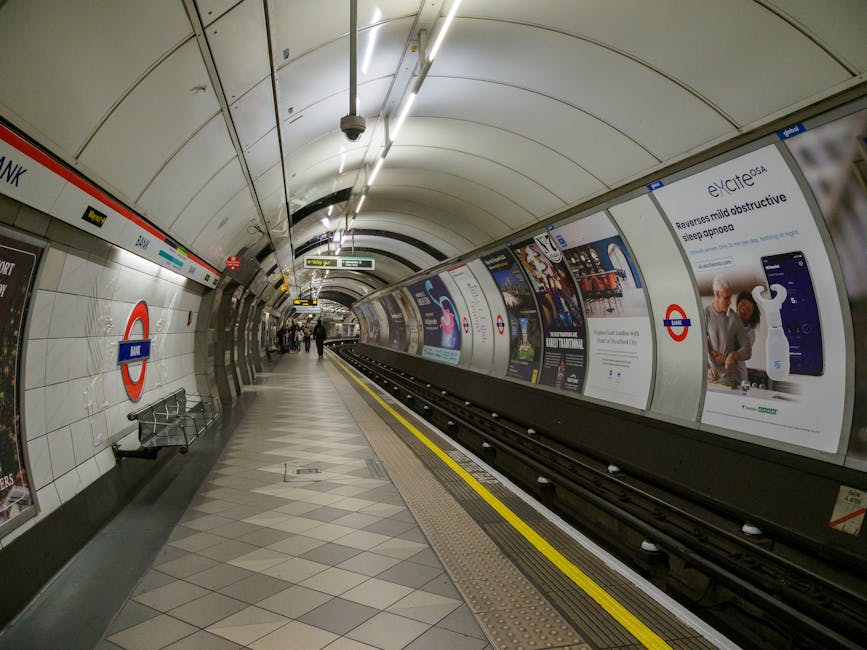
Pimlico station removals parking and tube access tips
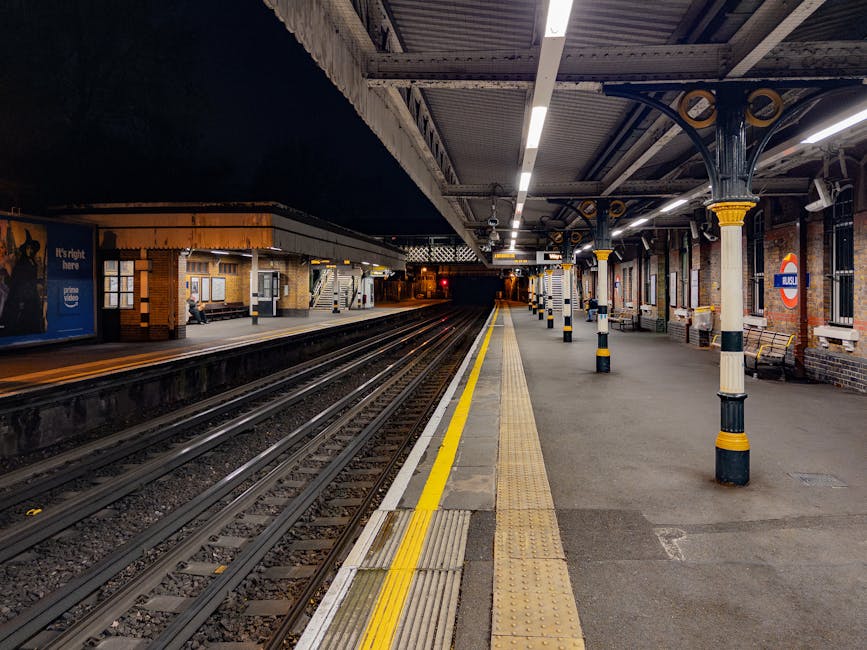
If you are planning a move near Pimlico Station, the small details can make a big difference. Parking rules, loading space, narrow streets, and tube access all affect how smoothly the day goes. That is really the heart of Pimlico station removals parking and tube access tips: making a stressful move feel organised, safe, and far less chaotic.
Whether you are moving out of a flat, shifting office furniture, or trying to coordinate a van near the station, the challenge is usually the same. Where can the vehicle stop? How close can movers get? Is the Tube helping you, or getting in the way? In an area like Pimlico, those questions matter. A lot.
This guide walks through the practical side of moving around Pimlico Station, from parking and access planning to timing, loading strategy, and common mistakes to avoid. You will also find a checklist, a comparison table, and clear answers to the questions people actually ask before moving day.
Why Pimlico station removals parking and tube access tips Matters
Pimlico is one of those central London areas where convenience can suddenly become inconvenience if you do not plan properly. The station is useful, of course, but the surrounding streets are often busy, space is limited, and a van can disappear into the rhythm of the area if you are not watching the clock. Let's face it, a move near a Tube station sounds simple until you are trying to unload a sofa while a bus is edging past and someone needs to get through with a suitcase.
Good parking and access planning matters because removals are time-sensitive. Every extra minute spent circling for space, carrying boxes further than expected, or waiting for a lift to arrive can add stress. It can also affect cost if you are paying a moving team by the hour or if you have hired a man and van for a tight window. A small access issue becomes a bigger logistics issue very quickly.
The Tube matters too. Not because you are loading directly from the platform, obviously, but because station traffic, pedestrian flow, and local transport patterns shape the whole moving environment. Busy arrivals at certain times can make it harder to park, cross the road, or keep a clear route for carrying items. If you are moving into a flat near the station, you will feel that difference immediately.
In our experience, the best moves around Pimlico are the ones where the access plan is almost boring. No surprises. No frantic last-minute calls. No "where's the van meant to go?" moment. That calm comes from knowing the area, choosing the right vehicle, and allowing a bit more time than you think you need.
How Pimlico station removals parking and tube access tips Works
The basic idea is simple: you match the move to the reality of the area. That means understanding where the vehicle can stop, how long loading might take, and how people and traffic move around the station. It also means thinking through the journey from the property door to the vehicle door. That short walk is often where the day either flows well or starts to wobble.
For a typical Pimlico move, the process usually looks like this:
- Check the property access, including entrance width, stairs, lift use, and any loading restrictions.
- Plan the vehicle size so it can reach the street without causing avoidable problems.
- Work out where the van can park or stop safely while loading.
- Time the move to avoid peak Tube and traffic pressure where possible.
- Use the shortest safe route between the property and vehicle, even if that means a slightly different loading point.
- Keep boxes and furniture grouped so the team is not wasting time hunting through rooms.
Tube access in this context is really about neighbourhood movement. Pimlico Station is a busy local node, and the roads around it can feel tighter at commuting times. If you are moving from or to a flat near the station, plan for people stepping around bags, bikes, prams, and that one person who always stops in the worst possible place. It happens.
A smart removals plan also considers whether the property is better served by a small van, a larger removals vehicle, or a staggered shuttle approach. If access is awkward, a compact vehicle and more trips may actually save time overall. That feels counterintuitive, but it often works.
Key Benefits and Practical Advantages
Getting the parking and access side right delivers more than convenience. It can change the whole tone of the move.
- Less carrying distance: Parking closer means fewer steps, fewer trips, and less chance of damage.
- Smoother timing: A planned loading spot keeps the day moving rather than stalling around traffic.
- Lower stress: When the van is where it should be, everyone can focus on the actual move.
- Better safety: Fewer awkward lifts across roads or through crowded pavements reduces risk.
- More predictable costs: Less delay usually means less wasted time, which is helpful whether you are moving a single room or a whole house.
- Less disruption to neighbours: A tidy loading plan is more considerate in a dense area like Pimlico.
There is also a hidden benefit people overlook: confidence. When the team knows where they are going and how the vehicle is getting in and out, the whole job feels more controlled. You notice it in the first ten minutes. Doors open, boxes move, and nobody is improvising under pressure.
For a lot of local moves, that confidence is worth nearly as much as speed. Nearly.
Who This Is For and When It Makes Sense
This kind of planning helps almost anyone moving near Pimlico Station, but it is especially useful in a few common situations.
Flat movers benefit most because central London flats often have stair access, entry codes, lift restrictions, or awkward street frontage. If you live in a period conversion or mansion block, the route from front door to van can be the real challenge, not the packing.
People moving at short notice also need this. If you are coordinating quickly, you do not have the luxury of trial and error. A good access plan saves precious time, and frankly, time is what short-notice moves are made of.
Businesses and offices near Pimlico Station need to think about staff access, delivery windows, and how to avoid blocking foot traffic. A move that looks minor on paper can still create a nuisance if a corridor, doorway, or pavement is crowded at the wrong moment.
Students, sharers, and renters benefit too. Even a small move can become awkward if you are carrying bags through narrow halls or waiting for a van that cannot safely stop outside. The smaller the job, the easier it is to underestimate the access issue.
It makes sense whenever the route, the vehicle, or the timing could go wrong. That is the honest version. If everything is straightforward, great. But around a station area, "straightforward" is usually something you have to create on purpose.
Step-by-Step Guidance
If you want the move to feel manageable, work through the basics in order. Do not skip ahead. The little decisions pile up.
1. Map the address and the street layout
Before moving day, check exactly where the property sits in relation to the main road, side streets, and any restricted access points. In Pimlico, the difference between a smooth stop and a frustrating one can be a few metres. Look at the route from the van to the entrance, not just the postcode on paper.
2. Decide what size vehicle actually fits
Big is not always better. If the street is tight or parking is limited, a smaller van may be easier to position and quicker to load. For some jobs, two smaller trips beat one oversized vehicle that cannot stop where you need it to. That said, if you have heavy furniture or lots of boxed items, make sure you do not under-spec the van either. Balance matters.
3. Plan the loading point, not just the parking point
There is a difference between a place where a vehicle can park and a place where loading is practical. You want the safest, shortest route possible with enough space to open doors, use trolleys if needed, and avoid blocking pedestrian flow.
4. Time the move around local traffic and footfall
Tube stations create regular pulses of movement. Early mornings, late afternoons, and school-run style periods can all be awkward. If you can choose your window, aim for a time that reduces pressure on the immediate streets. Even moving by an hour can help.
5. Separate the load before the team arrives
Boxes should be grouped by room and priority. Furniture that needs dismantling should be prepared. If you are using storage as part of the move, keep those items together so they do not disappear into the day's confusion.
6. Keep access communication simple
Who is meeting the vehicle? Who has keys? Who is authorising access if something changes? These sound like tiny points, but they save time. A move is often delayed not by a major issue but by one missing person or one unclear instruction.
7. Build in a margin
Always assume something will take a bit longer. A lift can be busy, a neighbour may park badly, or the route from the entrance may be longer than expected. Build in breathing room. It makes the whole day kinder.
Expert Tips for Better Results
These are the details that tend to separate a decent move from a genuinely smooth one.
Choose the smallest vehicle that still fits the job. In dense areas, manoeuvrability often matters more than capacity. If the van can get closer, you usually save more time than you lose by doing an extra trip.
Protect the route, not just the items. Everyone remembers bubble wrap. Fewer people think about floor runners, door protection, and keeping a clean path from door to vehicle. Yet that route is where most accidental bumps happen.
Ask about access before the quote is final. Stairs, lift size, loading restrictions, and parking distance can all change the practical shape of a job. If you are comparing options, look at access detail as carefully as the headline price. It matters more than people think. A lot more.
Keep a "first out" box. Put tea bags, kettle items, chargers, toiletries, and basic documents in one clearly marked box or bag. In a long moving day, this is the box that stops the evening from becoming mildly miserable.
Use labels that are readable in poor light. It sounds small, but if the van is being loaded in an overcast evening or under street lighting, big clear labels save time. Black marker on light boxes works better than fancy systems no one can read at a glance.
Think about what happens after unloading. If the new place near Pimlico Station does not have easy parking, your team may need a clear plan for where each item goes once it comes off the vehicle. This avoids the classic "pile everything by the door and hope for the best" method. We have all seen that one.
Be realistic about lifts. If the lift is small, busy, or unreliable, do not assume it will solve the access issue for you. A lift helps, yes, but it can also create bottlenecks if everyone is using it at the same time.
Expert summary: around Pimlico Station, the winning move is usually the one that reduces walking distance, avoids peak congestion, and keeps the loading route simple. Fancy logistics are not the goal. Clean, calm execution is.
Common Mistakes to Avoid
Most moving problems near station areas come from a few repeat mistakes. The good news? They are avoidable.
- Assuming parking will sort itself out. It rarely does in a central London location.
- Booking the wrong vehicle size. Too big can be awkward; too small can create extra trips and delay.
- Forgetting about street width or turning space. A van may technically fit the area but still be difficult to position safely.
- Not checking lift access or stair count. Those extra steps add up fast.
- Moving at the busiest time without a plan. Peak Tube traffic and local congestion can turn a simple job into a slog.
- Leaving packing until the last minute. The removals team can work quickly, but they cannot invent order out of chaos. Not magically, anyway.
- Ignoring neighbour or building rules. In shared buildings, a little courtesy saves a lot of friction.
A smaller mistake is not telling the movers about the awkward part of the job. If the entrance is tucked away, the parking is limited, or the staircase is unforgiving, say so upfront. Nobody enjoys surprises when they are carrying a wardrobe on a tight landing.
Tools, Resources and Recommendations
You do not need a complicated toolkit, but a few items make a real difference.
- Hard-wearing boxes and tape: Keeps the load stable and easier to stack in a van.
- Labels and marker pens: Simple, readable labels speed up loading and unloading.
- Furniture covers and blankets: Helpful for protecting corners, polished surfaces, and upholstered items.
- Trolley or sack barrow: Useful if the route from property to van is long enough to justify it.
- Inventory list: Especially important if items are going into storage or to multiple locations.
- Basic measuring tape: Handy for checking doorways, lift openings, and furniture dimensions.
On the service side, it can help to choose support that matches the move. For example, man and van support may suit smaller jobs with tighter access, while house removals are usually better for fuller homes with more furniture and packing volume. If you need somewhere to place items before or after the move, secure storage or removals and storage can make the whole thing much easier to sequence.
If you are still comparing options, it also helps to look at pricing and quotes carefully rather than just the headline number. The best value is often the quote that understands access properly, not the cheapest one on first glance. That old saying about cheap jobs costing more? Annoying, but not wrong.
Law, Compliance, Standards, or Best Practice
For a move near Pimlico Station, the biggest compliance issues are usually practical rather than dramatic. You are mainly dealing with parking rules, loading restrictions, building access policies, and general duty of care around pedestrians and property. Exact arrangements can vary by street, building, and local authority control, so it is sensible to check the specific details for your address rather than assuming a standard approach will work everywhere.
Best practice in central London removals usually includes:
- parking only where the vehicle is allowed to stop safely and legally
- avoiding obstruction to pavements, crossings, and emergency access
- communicating with building management where required
- protecting communal areas from damage during carrying
- keeping manual handling sensible and avoiding unsafe lifts
If the move involves business premises, more care is needed around tenant obligations, access windows, and landlord or building rules. If you are clearing out a flat or ending a tenancy, it is wise to leave the space tidy and follow any clearance requirements that apply. When in doubt, ask questions early. It is much less stressful than discovering a problem on the day.
Health and safety matters too. Even a small move can become risky if people carry heavy items badly, rush through narrow doors, or work in poor visibility. A good removals plan is not just efficient; it is safer. That is the standard worth aiming for.
Options, Methods, or Comparison Table
Different move styles suit different access conditions. Here is a simple comparison to help you think it through.
| Method | Best for | Advantages | Potential downside |
|---|---|---|---|
| Small van move | Compact flats, tight streets, lighter loads | Easier to park, better in narrow areas, faster local manoeuvring | May require more than one trip if volume is underestimated |
| Full removals vehicle | Larger homes or heavier loads | More capacity, fewer trips, efficient for complete house moves | Can be harder to place near station-side streets |
| Man and van | Small to medium jobs, flexible schedules | Useful for short-notice moves and limited access | Not always ideal for larger furniture or multiple stops |
| Move plus storage | Staggered moves, renovation gaps, downsizing | Reduces pressure on moving day, creates flexibility | Needs extra coordination and good item tracking |
For many Pimlico jobs, a smaller and more adaptable approach works best. A bulky setup can look impressive on paper, but if the van cannot stop close enough, the advantage fades quickly. Practical beats grand, most days.
Case Study or Real-World Example
Here is a realistic example from the sort of move people often face near Pimlico Station.
A couple in a top-floor flat needed to move a mix of furniture, boxes, and a few fragile items into another property a short distance away. The first plan was to use a larger vehicle and try to do it in one sweep. On paper, that looked efficient. In practice, the street access was tighter than expected, and the loading point would have been awkward for both the crew and neighbours.
They changed tack. Instead of forcing the larger setup, they used a smaller vehicle, split the load into clearly labelled groups, and scheduled the move to avoid the busiest part of the day. The route from the flat to the van was kept clear, and the items that needed extra care were packed first so they were easy to reach. Nothing dramatic happened. Which, honestly, is the best outcome you can hope for.
The move still took effort, of course. But because the access plan matched the street reality, there was less waiting, less carrying, and no last-minute scramble for a better parking spot. The job felt measured rather than rushed.
That is the lesson. When the property is in a busy central area, the best move is usually the one that respects the street, not the one that fights it.
Practical Checklist
Use this quick checklist before moving day. It saves the kind of hassle that always seems minor until you are standing outside with a wardrobe.
- Confirm the exact address and entrance point
- Check whether a van can stop close enough for safe loading
- Measure key items if access is tight
- Ask about stairs, lifts, and any building restrictions
- Decide whether a small van, larger removals vehicle, or storage support is best
- Label boxes by room and priority
- Keep essentials in a separate, clearly marked bag or box
- Build extra time into the schedule for local traffic and footfall
- Protect floors, doors, and furniture edges where needed
- Keep contact details handy for everyone involved in the move
Quick takeaway: the smoother the access plan, the easier everything else becomes. It really is that simple, even if the day itself never feels simple.
Get a free quote today and see how much you can save.
Conclusion
Pimlico Station moves are all about preparation, timing, and realistic access planning. If you get the parking, loading route, and tube-area traffic patterns right, the day becomes much more manageable. If you ignore them, even a small move can start to feel surprisingly heavy.
The good news is that you do not need perfect conditions. You just need a plan that fits the street, the building, and the way people actually move through the area. That is what turns a stressful day into a controlled one.
And once the last box is inside, and the van pulls away, there is that quiet little moment when everything settles. You can hear yourself think again. Nice, that.
Frequently Asked Questions
What should I know before arranging removals near Pimlico Station?
Check the street layout, likely parking position, building access, and any restrictions on loading. Near a station, small access problems can cause bigger delays than you would expect, so it pays to plan ahead.
Is parking usually difficult around Pimlico Station?
It can be, especially at busier times of day. The exact situation depends on the street and the time of the move, but it is sensible to assume parking will need thought rather than luck.
Should I choose a smaller van for a move in Pimlico?
Often, yes, if access is tight or the street is narrow. A smaller van can be easier to position and may reduce the walking distance from property to vehicle. For larger moves, though, capacity still matters, so it depends on the load.
How do tube stations affect moving day logistics?
Tube stations increase foot traffic, make kerbside access busier, and can add pressure to nearby roads at peak times. Even if the station itself is not part of the move, the surrounding movement patterns can affect parking and loading.
What is the best time of day to move near Pimlico Station?
There is no one perfect answer, but off-peak times are usually easier than busy commuting windows. If you can avoid the heaviest traffic and station footfall, the move tends to feel calmer and quicker.
Do I need to tell the removals team about stairs and lifts?
Yes, absolutely. Stair counts, lift size, and lift reliability can change how the job is planned. It is better to mention awkward access early than to discover it on the day.
What if my building has strict access rules?
Then you need to factor those in before booking. Some buildings require notice, booking of lifts, or specific arrival windows. If you skip that part, the move can stall before it even starts.
Can removals and storage help if I cannot move everything in one day?
Yes. Storage can be very helpful if completion dates do not line up, if you are downsizing, or if access at the new place is not ready. It gives you breathing room and reduces pressure on the move itself.
How can I reduce the risk of damage during a move?
Use proper packing, protect furniture edges, clear the access route, and avoid rushed carrying through tight spaces. Damage often happens when people are tired, in a hurry, or forced to carry items too far.
Are short-notice moves possible near Pimlico Station?
They can be, but the access planning needs to be even tighter. Short notice means fewer chances to correct mistakes, so clear information about parking, loading, and the property layout is essential.
What if I only have a few boxes and one or two pieces of furniture?
A smaller service such as man and van support may be enough, especially if access is straightforward. That said, if the street is awkward or parking is limited, even a small move benefits from careful planning.
How do I compare quotes fairly for a Pimlico move?
Compare the level of access assumed, vehicle size, timing, packing support, and any extras such as storage or fragile-item handling. A quote that understands the local access issues is often better value than the cheapest quote on paper.